How to Back Up and Organise Your Digital Diary: A Checklist for Peace of Mind
October 06, 2026 - Digital Diaries


September 30, 2026 - Digital Diaries

September 25, 2026 - Memory Keeping

Some people finish a diary entry in ninety seconds and never open it again. Others spend a Sunday evening taping ticket stubs into a notebook and writing three paragraphs about a rainy walk home. Both are keeping memories. The format you choose decides how easy that is, and how much of it you will still want to read in ten years.
A traditional diary hands you the structure: a page per day, dates already printed, an obvious place for today. A bullet journal hands you a blank page and the responsibility. One is a container; the other is a workshop.
A dated diary is the most forgiving format for the days when you have five minutes and nothing clever to say. The date is there. You write two lines about the weather, a phone call from your sister, the fact that the boiler finally got fixed. Done. No setup, no spread to draw, no decision about whether today deserves a full page.
That constraint is the point. Because entries accumulate in order, you end up with a continuous record. Read back through it and you can see a season change, a mood lift, a friendship quietly fading. Diaries capture drift, which is often the thing people most want to remember and least think to write down.
The trade-offs are real, though. Miss three weeks and the gap mocks you. There is nowhere sensible to record the books you read this year, or a page of things your child said, unless you are happy to squeeze them into a Tuesday.
A bullet journal starts empty, which is either thrilling or paralysing. In memory-keeping terms it means you are not limited to one entry per day. You can build a spread for a holiday, a page of photographs from a wedding, a collection of things you want to remember about your flat before you move out, or a two-page map of everywhere you walked in a month.
You can also ignore it for a fortnight without leaving a wound in the record. Turn to the next clean page and carry on. Some people keep a single monthly memory spread — twelve squares, a line or two per week — and nothing else. That is a legitimate bullet journal. The method is a set of habits, not a rulebook.
Be honest about the minutes you will actually give this. A diary asks for almost nothing upfront and a little every day. A bullet journal asks for a setup session each month, plus the mental work of deciding what to record and where.
If you enjoy that work, it is not really a cost. Drawing a monthly calendar, ruling lines, choosing a pen — for plenty of people this is the pleasant part, the bit that makes them sit down at all. If you resent it, you will drift. The notebook will sit on the shelf with three beautiful spreads from January and nothing after.
There is a middle path: keep a small, cheap notebook as a bullet journal so wasted pages cost you nothing, and treat spreads as rough working notes rather than finished artwork. Memory keeping does not require neat handwriting. It requires that you write something.
Here the two formats pull in different directions. A completed diary is a spine of dates. Pick it up in twenty years and you can find any day you like. It reads like a story with a beginning, a middle and whatever came next. The blank days are part of it too — a fortnight of nothing in March says something honest about that March.
A bullet journal is more like a scrapbook with an index. Its value lies in the oddities: the page of receipts from a trip, the list of everyone who came to the party, the sketch of the kitchen before you repainted it. It is less useful for "what was I doing on 14 June" and far better for "what was that restaurant called".
Ask which question you are more likely to ask in ten years: "What was I doing that day?" or "What was that thing we loved?"
If it is the first, choose a diary. If it is the second, choose a bullet journal — or keep both, with the diary for daily life and the notebook for everything that does not fit a date.
Plenty of people keep a dated diary on the bedside table and a notebook on the desk. The diary takes the daily two lines. The notebook takes the collections: books read, films watched, places visited, things the children said, a page of photos from a good weekend. Once a month, copy anything worth keeping from the diary across, or simply note the dates you will want to revisit.
Two notebooks sounds like twice the work. In practice it is less, because each one is doing a job the other does badly. You stop trying to make your diary hold a museum, and stop trying to make your bullet journal behave like a calendar.
Whatever you choose, the memory keeping happens in the writing, not the system. A cheap pad filled with ordinary Tuesdays beats an empty notebook with a perfect layout. Start tonight with one sentence about today, and let the format earn its place over the next month.
Photo: Franco Solis / Pexels
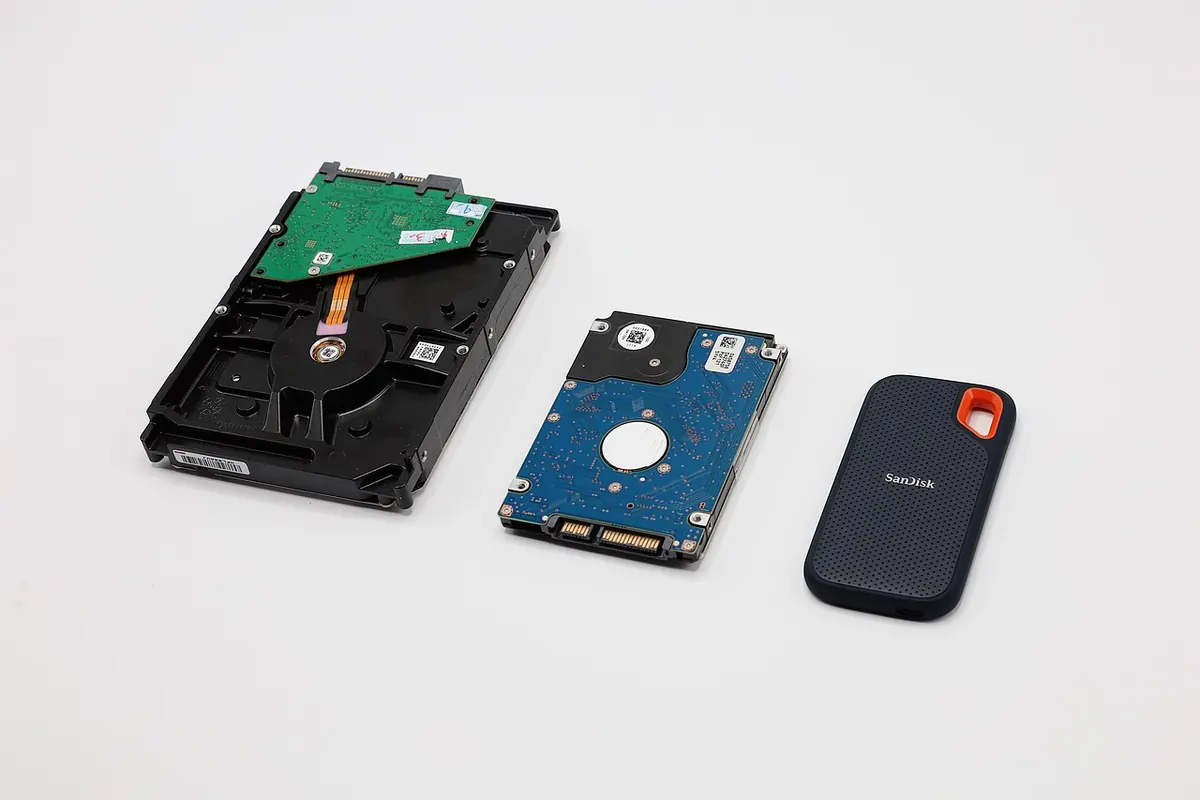
A practical checklist for naming, backing up, encrypting and future-proofing a digital diary, so years of private...
Paper and digital diaries each have real strengths. A practical look at searchability, privacy, backups and the...
September 30, 2026 - Digital Diaries
Copyright © 2026 Diary Stack. All Right Reserved.